
P_E_T_E_R
Aktives Mitglied
Der Lunar Reconnaissance Orbiter (LRO) hat einen neuen Krater mit einem Durchmesser von 222 m auf dem Mond entdeckt:
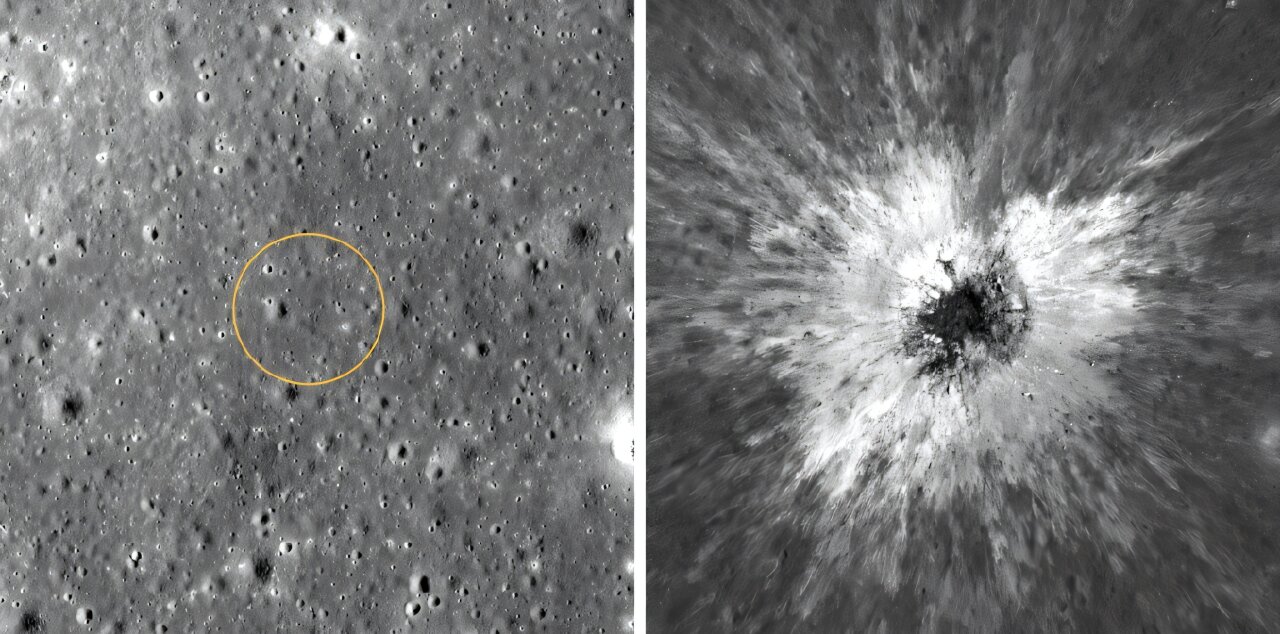
LRO images - M.S. Robinson et al.
Der neue Krater mit dem Namen McGetchin hat die Koordinaten 1.3536°N, 67.1765°O am Mare Spumans, dicht über dem Äquatot am rechten Mondrand:
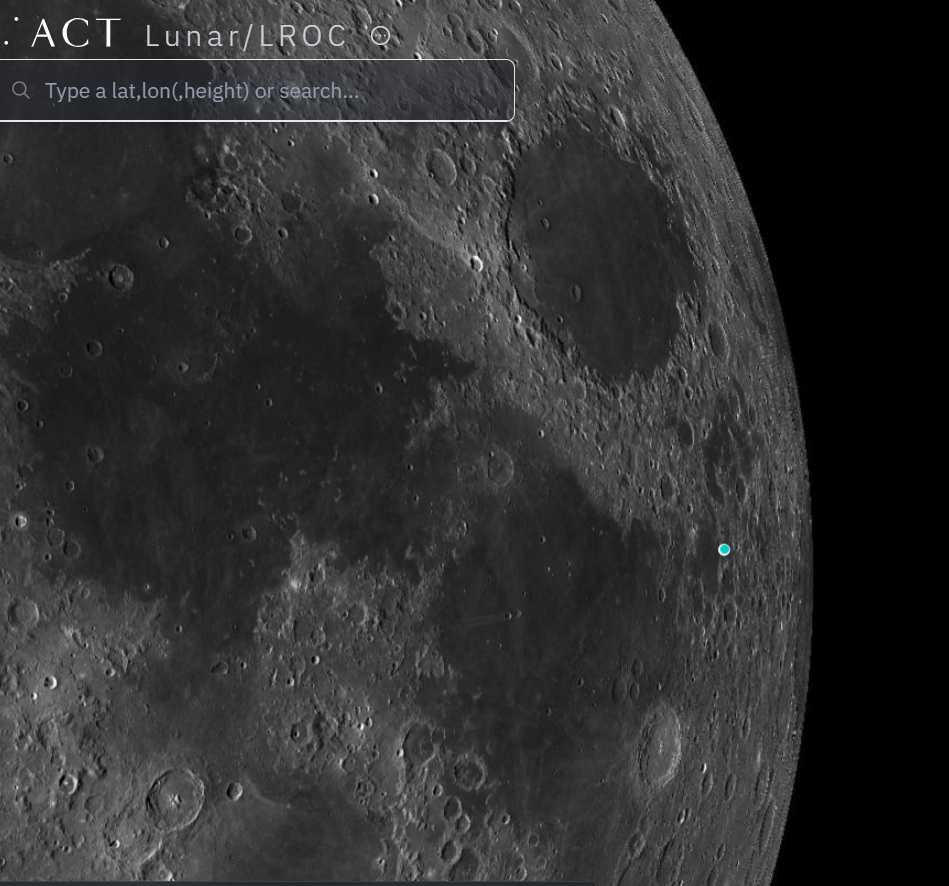
LROC
NASA spacecraft discovers a huge new crater on the moon
NASA’s Moon Orbiter Spots New, ‘Once-in-Century’ Moon Crater
A new 222-m diameter lunar crater
New lunar crater reveals extensive distal regolith modification
Gruß, Peter
LRO images - M.S. Robinson et al.
Der neue Krater mit dem Namen McGetchin hat die Koordinaten 1.3536°N, 67.1765°O am Mare Spumans, dicht über dem Äquatot am rechten Mondrand:
LROC
NASA spacecraft discovers a huge new crater on the moon
Scientists have discovered a crater on the moon that's bigger than the Roman Colosseum and is the result of a powerful impact two years ago that initially went undetected. The steep-sided hole - about 222 meters across and up to 43 meters deep - is the solar system's biggest known impact crater carved out in recent times.
"This event constitutes a statistically rare, effectively once-in-a-lifetime observation," the scientists wrote in one of two studies appearing on the subject Wednesday in the journal Science Advances.
NASA's Lunar Reconnaissance Orbiter spotted the crater on the moon's near side in May 2024 soon after it was formed by an incoming fragment of an asteroid or comet. The moon strike escaped real-time detection by telescopes on Earth and in space.
LRO's wide-angle images were not identified in the crush of data until August 2025. The spacecraft gathered more detailed pictures last fall, followed by confirmation of the discovery early this year.
The crater - named for the late Thomas McGetchin, a former director of Houston's Lunar and Planetary Institute - is three times bigger than the previous record-holder found by the LRO a decade ago.
NASA’s Moon Orbiter Spots New, ‘Once-in-Century’ Moon Crater
It started as a routine data-quality check. But as Robert Wagner, a scientist with NASA’s Lunar Reconnaissance Orbiter (LRO), scanned a giant Moon map on his computer screen, an unusually large bright spot circled by a dark halo caught his eye, as it implied that surface material in that area had been shaken up.
“I just stopped, dropped everything, and started looking into what that spot was,” said Wagner, an image-processing specialist from Intuitive Machines who works with data from the Lunar Reconnaissance Orbiter Camera (LROC) system.
By comparing before and after images of the Moon, Wagner realized he had discovered the largest, newly formed crater ever found in the solar system.
A new 222-m diameter lunar crater
New lunar crater reveals extensive distal regolith modification
Gruß, Peter
