OviAstro
Mitglied
Hello, dear stargazers, here is an introduction from me.
My name is Cotcas Ovidiu, and I am an amateur astronomer from Romania. I have a deep passion for the history of astronomy, optics, building my own instruments, and especially for reconstructing 17th-century telescopes.
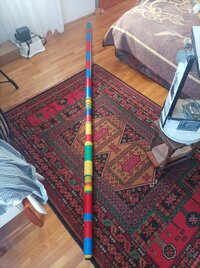
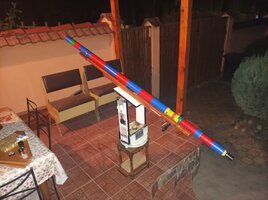
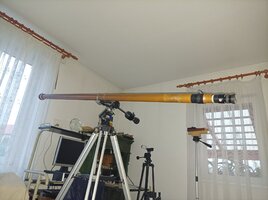
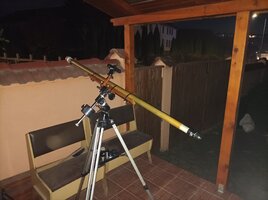
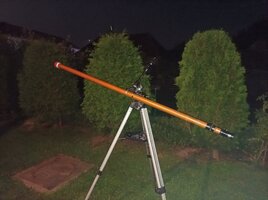
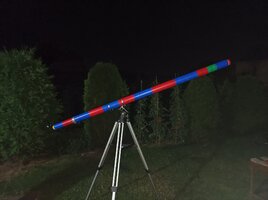
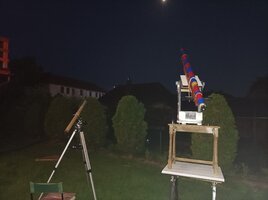
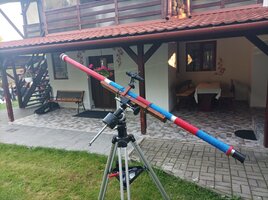
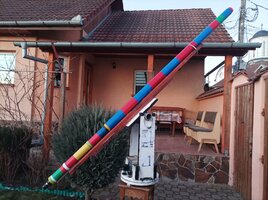
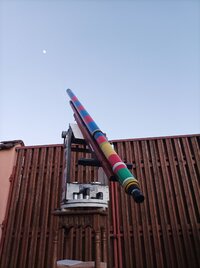
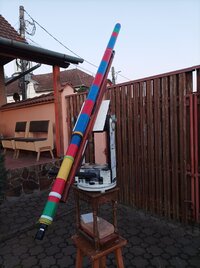
In this thread, I want to explore the fascinating world of 17th-century single-lens refractors and their modern recreations, as well as share insights from my observations with these instruments. These early refractors were used from the early 17th to the mid-18th century and were known for their extremely long focal lengths, designed to minimize chromatic aberration. Over the past decade, I have built a variety of single-lens telescopes, with focal lengths up to 12 meters, in both open-tube and closed-tube designs. My primary focus is on recreating 17th-century lenses using authentic historical methods, carefully combined with modern techniques. This year, I began my largest optical reconstruction project to date—I am the first person I know of to polish lenses on paper with dry CeO₂ powder, exactly as described in 17th-century sources. I worked so intensively and very carefully to achieve good visual quality in the end.
Reconstructing these instruments is extremely challenging. In the 17th century, opticians guarded their manufacturing secrets closely, so very few detailed technical records survive. My research began with a search for rare historical sources. Fortunately, I found references from 1640 to 1650 describing the polishing of lenses on paper (cloth) – the primary method after 1640, used by masters such as Giuseppe Campani, Eustachio Divini, Christiaan Huygens, and Giovanni Borelli.
At the beginning of the 17th century, lenses were polished on felt, and this method, as we know, does not produce good optical quality and is more like a crude polish. These were the first lenses available to Galileo to make his discoveries; out of a number of 50 to 60 lenses, only two or three were of good quality.
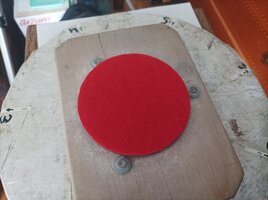
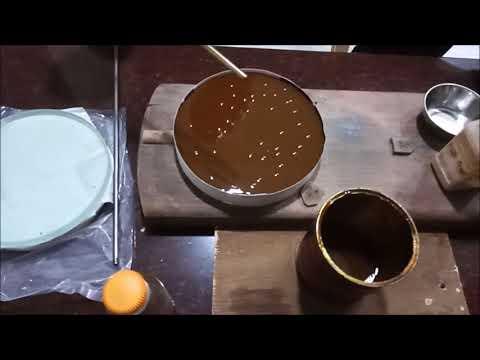
Below is the felt polishing as it was done at the beginning of the 17th century, using a wet cloth soaked in Tripoli.
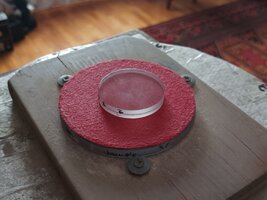
After 1640, paper was introduced for polishing, which made a crucial difference (there was a gap in astronomical discoveries between 1600 and 1640). This led to the discovery of new phenomena such as Jupiter's cloud band, the Cassini Division, the Great Red Spot, etc.
I experimented with paper; it's significantly better and adapts very well to the tool, resulting in optimal contact between the lens and the paper. Paper and pitch, which offer rigid polishing surfaces, tend to flatten these areas over time, creating spherical surfaces. Felt (in my experience) doesn't cause these areas. However, it contributes little to their flattening because felt provides a pliable lapping surface. It conforms to all surface irregularities, so these don't disappear over time.
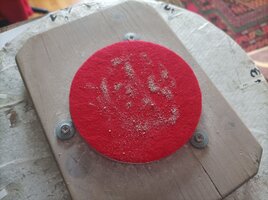
Below is an illustration of the paper polishing technique used in the mid-17th century with dry Tripoli.
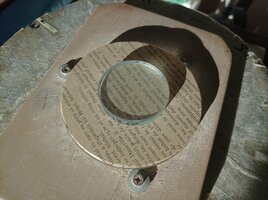
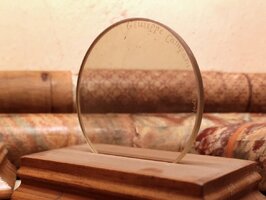
My first reconstructed lens set had a diameter of 47 mm, with focal lengths from 1320 mm to 3113 mm and a working aperture of 40 mm, resulting in a chromatic index of 1.9–2, almost identical to Campani's original lenses. These lenses were very similar to those Cassini had used at the Paris Observatory.
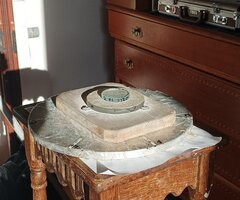
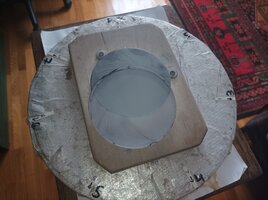
To make these lenses, I grind three lenses simultaneously on one side of a glass mold that is twice its diameter (96 mm). Once I've finished that side, I turn it over and grind three more lenses on the opposite side of the same mold—a total of six lenses from a single mold. In the 17th century, craftsmen used oversized brass or copper molds, and this technique remained standard until around 1700, when Hartsoeker introduced glass molds and double-sided grinding on the same mold, just as I do today.
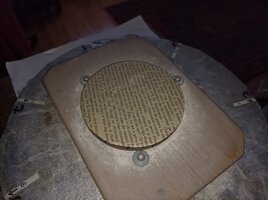
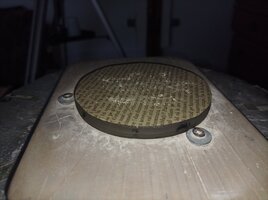
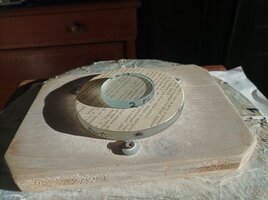
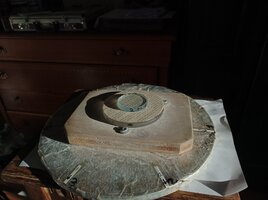
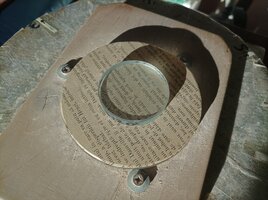
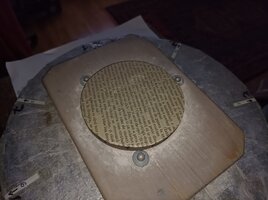
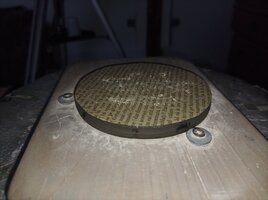
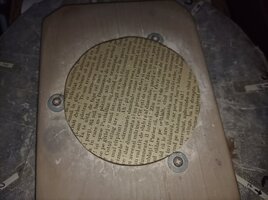
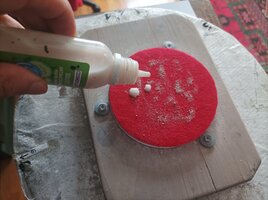
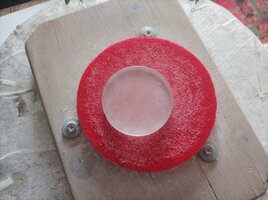
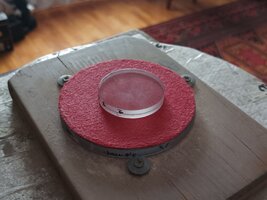
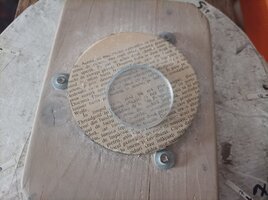
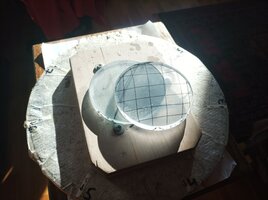
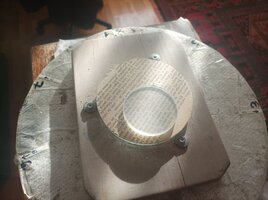
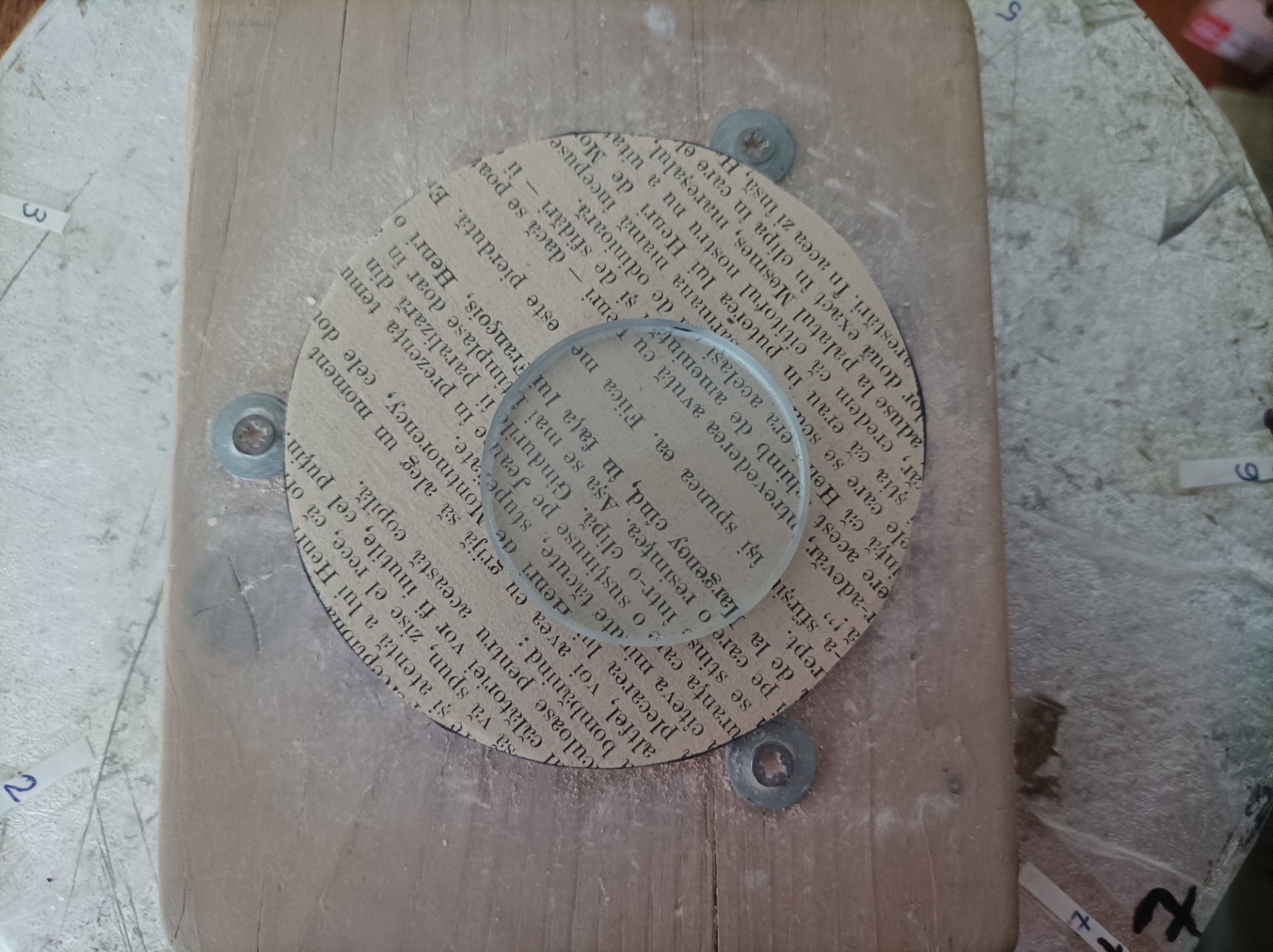
For polishing, the paper is glued to the concave shape with either a water-based superglue or gum arabic, depending on preference. Gum arabic in combination with homemade adhesives was commonly used for this purpose in the 17th century; for example, Giuseppe Campani used gum arabic along with Fabriano sandpaper for his polishing work. The gluing and pressing process is extremely quick, typically taking 2-3 minutes, followed by a curing time of 10-20 minutes, depending on the thickness of the adhesive. Only then can polishing begin. The polishing process itself is remarkably simple and elegant: A small amount of CeO₂ powder is sprinkled onto the paper with a fine brush, then gently pressed and evenly distributed with the lens. After a single rotation around the work area, full contact is achieved, and polishing can continue. Polishing continues until the paper is worn and loses its effectiveness, at which point it is replaced. On average, the paper needs to be changed about five times per lens to achieve a complete polish.
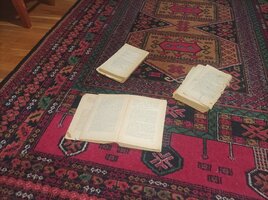
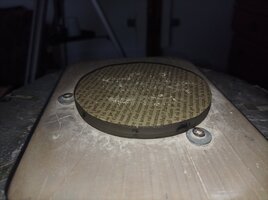
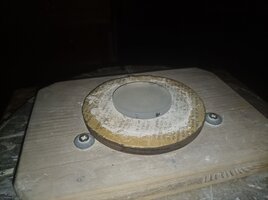
Only old paper is suitable for the polishing process, ideally very smooth paper from old books. Not every paper is suitable; some can even abrade the surface. Therefore, you have to choose the best paper. It takes trial and error until you find the right paper for the best effect.
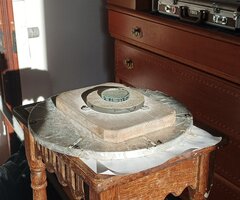
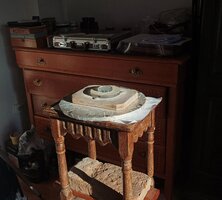
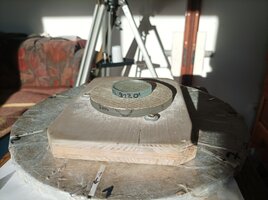
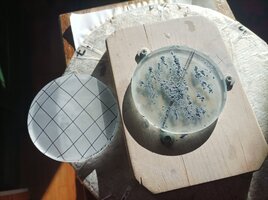
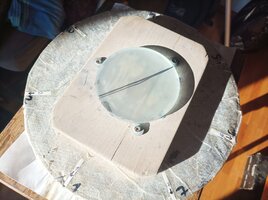
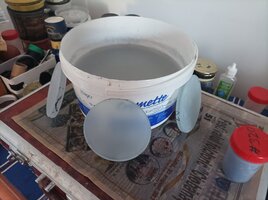
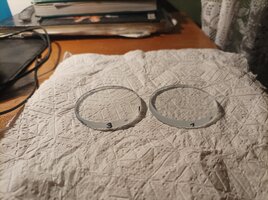
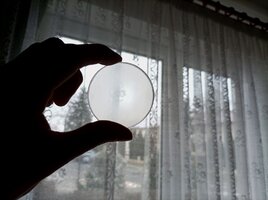
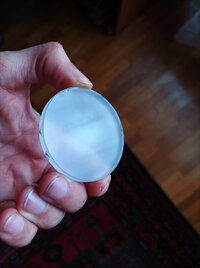
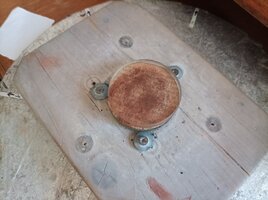
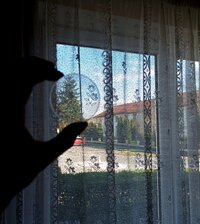
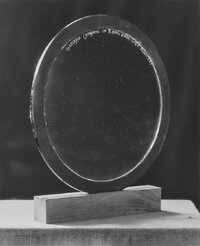
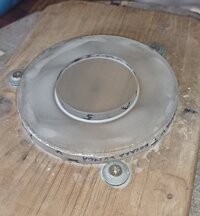
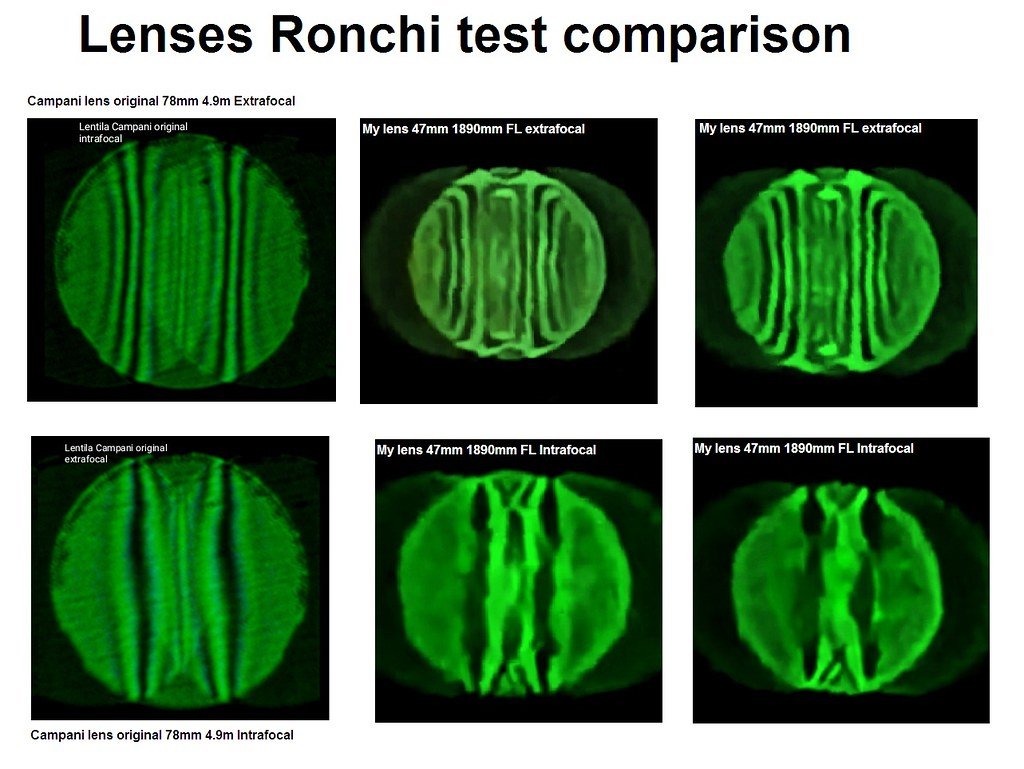
Below are pictures from the lens manufacturing phase. I produced a large number of lenses, ranging from 1300 mm focal length down to 3.5 mm, with a maximum diameter of 52 mm and a focal length of 3.5 to 3.2 mm. Interestingly, by polishing with paper, I achieved an almost identical Ronchi pattern to that produced by Campani lenses.
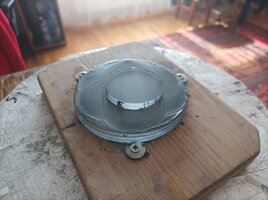
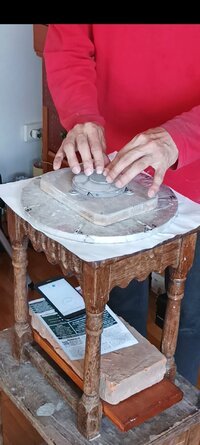
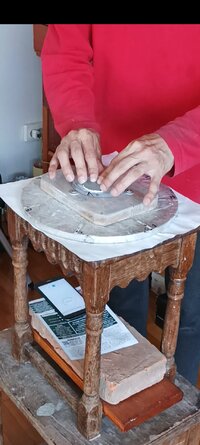
Since I need a large number of lenses, I will be selling some of them, as I will be resuming work on manufacturing larger lenses with longer focal lengths next year.
My name is Cotcas Ovidiu, and I am an amateur astronomer from Romania. I have a deep passion for the history of astronomy, optics, building my own instruments, and especially for reconstructing 17th-century telescopes.
In this thread, I want to explore the fascinating world of 17th-century single-lens refractors and their modern recreations, as well as share insights from my observations with these instruments. These early refractors were used from the early 17th to the mid-18th century and were known for their extremely long focal lengths, designed to minimize chromatic aberration. Over the past decade, I have built a variety of single-lens telescopes, with focal lengths up to 12 meters, in both open-tube and closed-tube designs. My primary focus is on recreating 17th-century lenses using authentic historical methods, carefully combined with modern techniques. This year, I began my largest optical reconstruction project to date—I am the first person I know of to polish lenses on paper with dry CeO₂ powder, exactly as described in 17th-century sources. I worked so intensively and very carefully to achieve good visual quality in the end.
Reconstructing these instruments is extremely challenging. In the 17th century, opticians guarded their manufacturing secrets closely, so very few detailed technical records survive. My research began with a search for rare historical sources. Fortunately, I found references from 1640 to 1650 describing the polishing of lenses on paper (cloth) – the primary method after 1640, used by masters such as Giuseppe Campani, Eustachio Divini, Christiaan Huygens, and Giovanni Borelli.
At the beginning of the 17th century, lenses were polished on felt, and this method, as we know, does not produce good optical quality and is more like a crude polish. These were the first lenses available to Galileo to make his discoveries; out of a number of 50 to 60 lenses, only two or three were of good quality.
Below is the felt polishing as it was done at the beginning of the 17th century, using a wet cloth soaked in Tripoli.
After 1640, paper was introduced for polishing, which made a crucial difference (there was a gap in astronomical discoveries between 1600 and 1640). This led to the discovery of new phenomena such as Jupiter's cloud band, the Cassini Division, the Great Red Spot, etc.
I experimented with paper; it's significantly better and adapts very well to the tool, resulting in optimal contact between the lens and the paper. Paper and pitch, which offer rigid polishing surfaces, tend to flatten these areas over time, creating spherical surfaces. Felt (in my experience) doesn't cause these areas. However, it contributes little to their flattening because felt provides a pliable lapping surface. It conforms to all surface irregularities, so these don't disappear over time.
Below is an illustration of the paper polishing technique used in the mid-17th century with dry Tripoli.
My first reconstructed lens set had a diameter of 47 mm, with focal lengths from 1320 mm to 3113 mm and a working aperture of 40 mm, resulting in a chromatic index of 1.9–2, almost identical to Campani's original lenses. These lenses were very similar to those Cassini had used at the Paris Observatory.
To make these lenses, I grind three lenses simultaneously on one side of a glass mold that is twice its diameter (96 mm). Once I've finished that side, I turn it over and grind three more lenses on the opposite side of the same mold—a total of six lenses from a single mold. In the 17th century, craftsmen used oversized brass or copper molds, and this technique remained standard until around 1700, when Hartsoeker introduced glass molds and double-sided grinding on the same mold, just as I do today.
For polishing, the paper is glued to the concave shape with either a water-based superglue or gum arabic, depending on preference. Gum arabic in combination with homemade adhesives was commonly used for this purpose in the 17th century; for example, Giuseppe Campani used gum arabic along with Fabriano sandpaper for his polishing work. The gluing and pressing process is extremely quick, typically taking 2-3 minutes, followed by a curing time of 10-20 minutes, depending on the thickness of the adhesive. Only then can polishing begin. The polishing process itself is remarkably simple and elegant: A small amount of CeO₂ powder is sprinkled onto the paper with a fine brush, then gently pressed and evenly distributed with the lens. After a single rotation around the work area, full contact is achieved, and polishing can continue. Polishing continues until the paper is worn and loses its effectiveness, at which point it is replaced. On average, the paper needs to be changed about five times per lens to achieve a complete polish.
Only old paper is suitable for the polishing process, ideally very smooth paper from old books. Not every paper is suitable; some can even abrade the surface. Therefore, you have to choose the best paper. It takes trial and error until you find the right paper for the best effect.
Below are pictures from the lens manufacturing phase. I produced a large number of lenses, ranging from 1300 mm focal length down to 3.5 mm, with a maximum diameter of 52 mm and a focal length of 3.5 to 3.2 mm. Interestingly, by polishing with paper, I achieved an almost identical Ronchi pattern to that produced by Campani lenses.
Since I need a large number of lenses, I will be selling some of them, as I will be resuming work on manufacturing larger lenses with longer focal lengths next year.